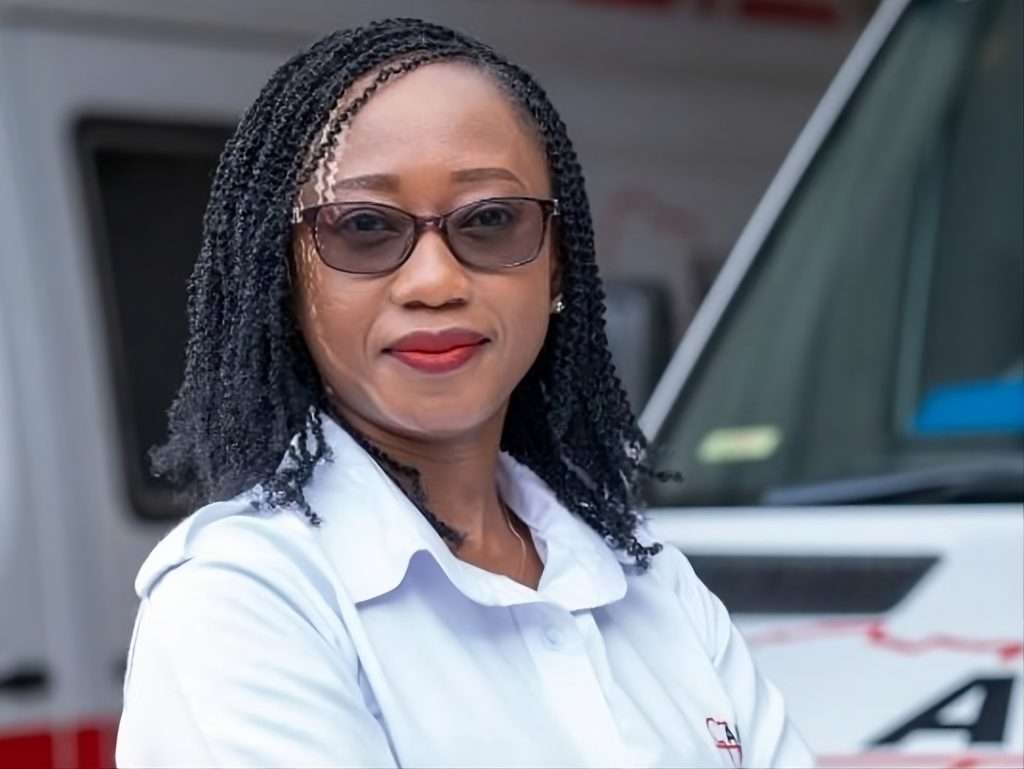
Laura Oliwa is redefining HR by bridging generational gaps, empowering employees with trust and responsibility, and creating workplaces where everyone feels seen, valued and able to thrive.
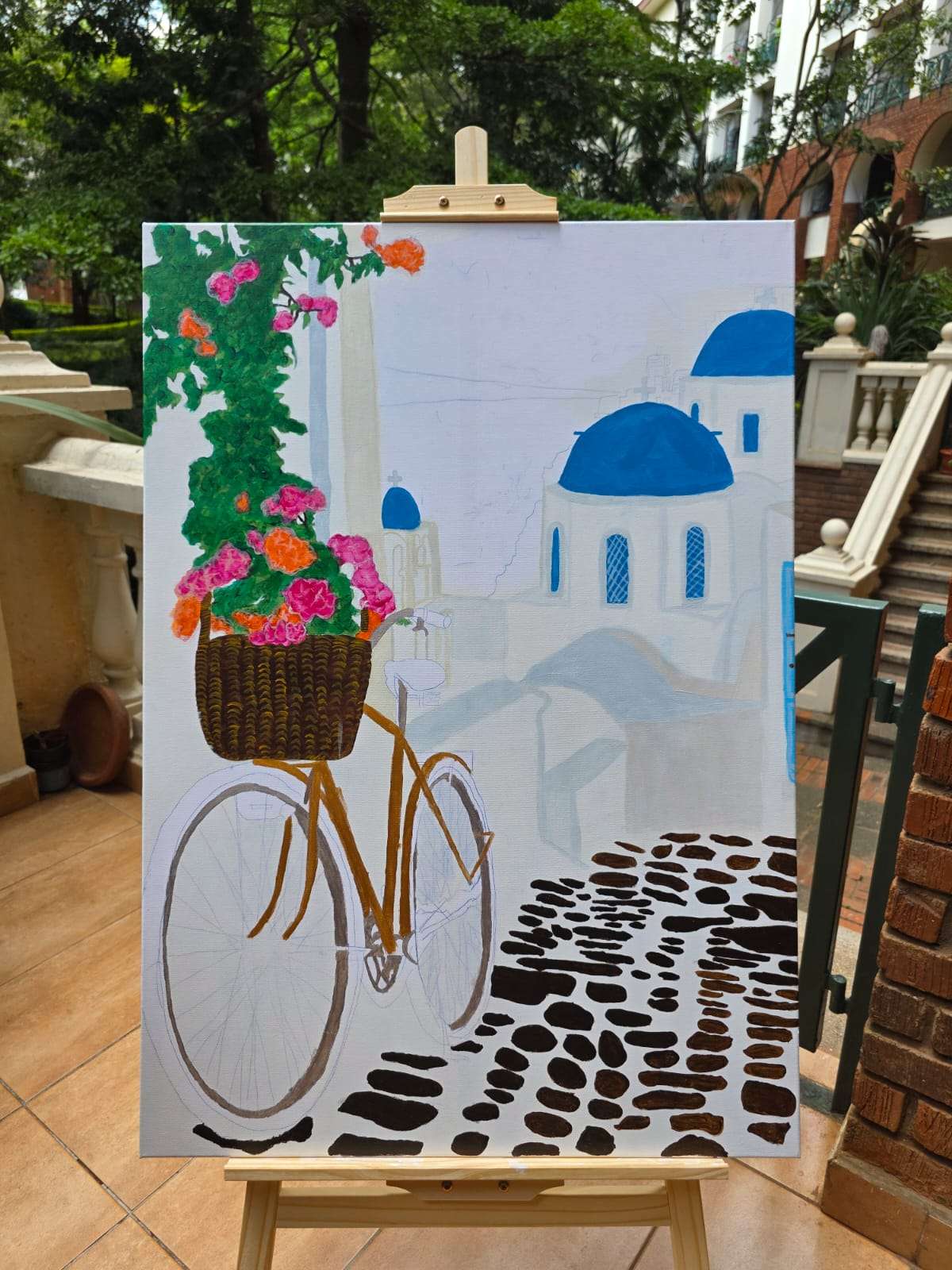
On weekend afternoons, Laura Oliwa sets up on the terrace and paints. She loved art as a child, set it aside for years, and then picked it up again following a brief session of illness in 2024 that gave her time to remember how much she loved it. What she did not anticipate was what happens when a mother of five boys sits down with a canvas and a brush in a house that runs on sport, noise and the collective energy of people who like to move.
“When they see me sitting on the terrace painting, someone will always come and ask if they can have a canvas,” she says. “We sit there quietly doing our thing, having a little silly conversation, and it is just a thing that I love to do.”
According to Laura, the five sporty boys pause for it. The house that is otherwise full of basketball, rough housing and the thump of football on the television goes quiet.
“It is a good escape. The mixing of colours requires a particular kind of attention that blocks everything else out, and I could go on forever if the house did not need me eventually,” she notes.
This is Laura away from the office, cooking something different every Sunday, walking, going to the gym, or visiting the salon when she really needs quiet. She is the head of people, culture and administration at Amref Flying Doctors. She does not like to miss out on any part of the function, adding that a bit of everything is what keeps it interesting.

Early influences
Laura grew up watching her mother, who worked in personnel management at the then Sterling Winthrop later acquired by SmithKline Beecham pharmaceutical company. On Saturdays, she would be carried to the office and sit in rooms with people whose job was managing other people. Her mother’s boss who was the HR director and the HR team that comprised her mother had such a cordial, respectful, supportive work environment. She admired it and that framed her mind-set on how a HR role functions and she wanted in on it.
“I did not yet have the words for what I was observing, but the desire it planted in me was real. My passion in HR started from childhood,” Laura recalls.
She studied business administration at university, specialising in human resources, before Kenya Airways came into view. With the airline came the memory of her mother's earlier years, the international travel, and the standard that accompanied it. Laura joined as a customer service agent and felt almost immediately that she was walking in her mother's shoes.
“I did not stay in customer service for long, I moved into flight operations, to plan crew schedules. There, I learned the civil aviation regulations that govern how pilots and cabin crew are managed, mastering fatigue rules, rosters and rest requirements. It was the back door into the human resources instinct I had always possessed. From there I moved into analytics and then into a full human resources role, making a lateral move without an increment because I wanted the function badly enough to wait,” Laura observes.
She stayed in the Kenya Airways human resources department for five years, handling the commercial team. This meant navigating international labour law, managing nationalities from every continent, and dealing with the kind of complexity that forces rapid growth. She stayed in the organisation for 15 years in total before she felt leaving was necessary.
“After about 15 years, it was time to spread my wings. It was not easy because I had grown up there, but you realise you have hit the ceiling because you have touched commercial, supported pilots, and been through almost all departments from a business partner perspective,” she says.
Her next move surprised people who knew her. She joined Kenchic, an agriculture and FMCG business with farm staff who communicated best in Kiswahili. The interviewers asked repeatedly whether she was sure because this was a very different kind of environment in comparison to aviation, and she was sure.
“I walked through large chicken houses in gumboots and shorts, delivering human resources policies in Kiswahili because that was the language that resonated with some of the people I was serving. When I look back at that period, I did not miss the glamour of the airline, but rather really enjoyed this ground level connection with the staff,” she adds.
Bridging generations
Amref Flying Doctors came knocking while she was settled and comfortable at Kenchic. She resisted for almost a month before sending her CV. She went in for an interview, met the CEO and the executive team, and felt something familiar wake up in her.
“I think it woke up the aviator in me,” she says. “I felt like this really feels like home, and the conversations were so familiar, getting back to fishing in my own water because aviation is home for me.”
Laura has about 16 Gen Z employees at Amref Flying Doctors. She watches them carefully and has drawn clear conclusions about what they require that older generations did not, rather than focusing on how difficult they might be. She noticed that they consistently want to be involved.
“Give a Gen X or a millennial a task and they run with it, but give a Gen Z the same task and they will do it only if they know they have been seen, consulted and included in something larger than the task itself. For work to be meaningful for them, they want to be involved. They want something that shows HR sees them and is involving them,” she notes.
Laura adds that when you give them independence, they move mountains.
“We have had so many events, activities and team building exercises where you send them out to scout a venue, tell them what you are thinking, and they come back with great ideas and coordinate very well,” she adds. “When activities happen or something needs coordinating and executing with creativity, those are the people I give while I oversee.”
The first challenge she faced was the friction between generations, as Gen Z employees coming into a team of Gen X professionals brought a different energy, music, manner and way of occupying space. Laura had to find a way to bridge that gap without flattening either group, and her solution was transparency.
On communication days, she shares the human resources demographics of the organisation, detailing what percentage of staff belongs to each generation, what each generation is known for, and how they were shaped by the world they grew up in.
“Once you teach appreciation of these differences, it creates a better sense of acceptance within the teams,” she explains. “You tell them to stand up, let us see who is from which generation, and people get to identify who is sitting where and appreciate why this group behaves the way they do.”
Leading with trust
On hybrid working, she has gone further than most by decentralising the decision from human resources entirely.
“Each department now manages its own hybrid arrangement, figuring out what works for its people and what the output requires, building the model from a foundation of trust. Just creating that sense of responsibility is working very well so far,” she says.
Laura applies the same openness to the shape of work itself, supporting doctors who want to practise in major hospitals alongside their Amref work. A senior nurse who wanted to become a certified coach was given the certification and then given coaching responsibilities built into her key performance indicators. This was done because the organisation benefits from what she is developing, and because it helps her build something she can carry into retirement a decade from now.
Laura has found that appreciation matters to Gen Z in a way that goes beyond standard recognition, as it needs to be specific, personal and different. Generic praise does not land, but being given real responsibility and trusted to carry it certainly does. She adds that she involves them when making representations to staff, noting that speaking with authority from a HR perspective really grows their confidence.
“My own career has been shaped by people who saw something in me and gave me room to grow, such as Thomas Omondi then head of operations control KQ and Mbuvi Ngunze, former CEO and MD Kenya Airways who held my hand through my operations analytics role. Their belief in my potential pushed me to step into rooms I might never have entered on my own. As well as Alban Mwendar, former HR director at Kenya Airways who offered me the lateral move and mentored me. Not forgetting the Amref Flying Doctors CEO and accountable manager, Stephen Gitau, who has consistently challenged me, trusted my judgment and created an environment where I can lead with confidence. The KQ HR team held my hand and opened doors, and now, I carry that forward deliberately. I get very moved when I see an intern who is driven and eager to learn. When you join my team, you are not just an intern, you consider yourself one of the employees,” she says.