
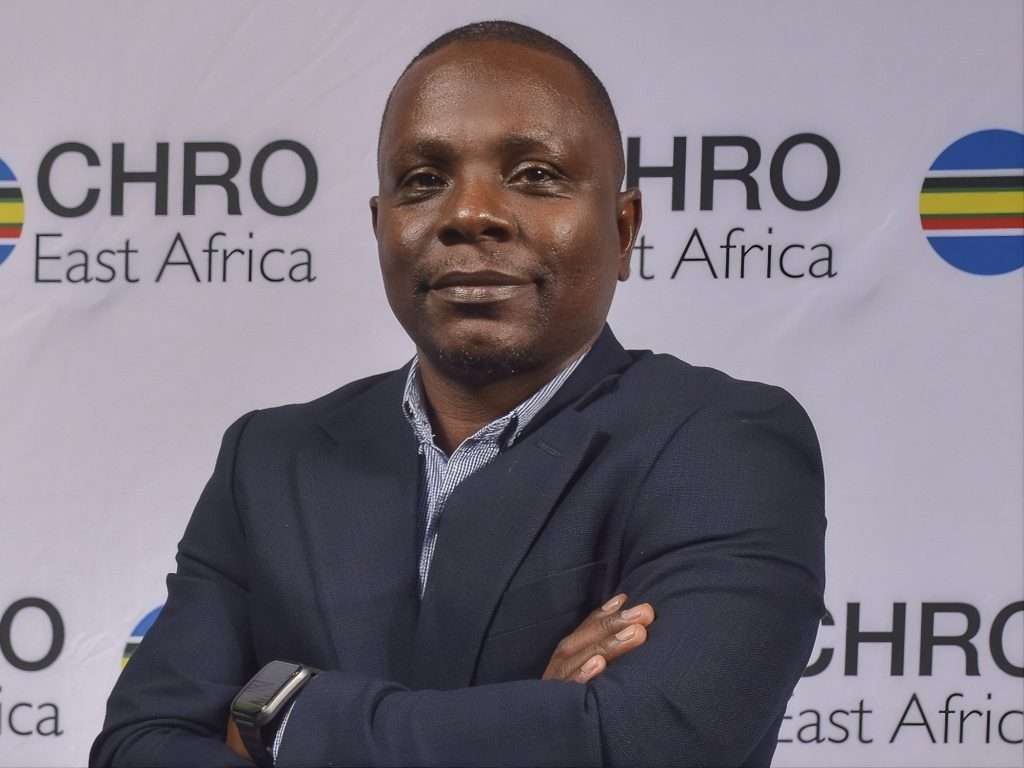
As group head of HR at ARP Africa Travel Group, Naftal Ndege is helping shape a people strategy that spans Kenya and Tanzania while strengthening engagement, developing talent and aligning HR with business performance. Drawing on experience across manufacturing, FMCG and hospitality, he shares the lessons that have shaped his leadership and his vision for the future of work.
Please walk us through your career journey, from your early HR roles to leading the people function across ARP Africa Travel Group in East Africa.
My path into HR was not a straight line, and I think that has served me well. I began my working life in 2007 as a casual labourer at ZAISCO Petroleum Engineering in Mombasa and spent a period as an office assistant at Ferry Garden Estate. Those early years taught me the discipline of administration, clear communication and working directly with people from all walks of life, lessons I still draw on today. Between 2013 and 2016, I supervised facilities operations at Ndodo, coordinating vendors, safety compliance and teams on the ground, which gave me a practical grounding in operations before I formally entered HR.
My HR career proper began at Pwani Oil Products in Mombasa, first as assistant HR business partner from 2018–2021 and then as HR business partner, commercial from 2021–2023, where I managed the full employee lifecycle for a workforce of around 200 from recruitment and onboarding to performance management, employee relations, disciplinary processes and HRMIS reporting.
In August 2023, I joined Pollman's Tours and Safaris as manager, HR & administration in Mombasa, where I rebuilt the HR strategy from the ground up and have since progressed into the group head of HR role, carrying that same strategic and hands-on approach across Pollman's in Kenya and Ranger Safaris in Tanzania.
Looking back, what has been the defining moment or project that has had the greatest impact on your growth as an HR leader?
The defining project for me was turning around employee engagement at Pollman's in my first six months there. I inherited an engagement score of around 20 percent, and rather than simply commissioning a survey and reporting the number upward, I used it as a mandate to redesign how the organisation listened to and invested in its people by refreshing our performance management approach, streamlining recruitment and onboarding, and strengthening training and development.
Seeing that score rise to 60 percent within half a year taught me that HR's credibility is built on visible, measurable change, not policy documents alone. It shaped how I have approached every HR strategy since: start with the evidence, move quickly on the fundamentals that erode trust and let the results speak.
Your career spans manufacturing, FMCG and now hospitality and tourism. What lessons have you carried across these industries, and how have they shaped your approach to leading people?
My years at Pwani Oil Products, an FMCG manufacturer, instilled a discipline around process, compliance and data spanning managing terminal dues, disciplinary procedures, SLAs with third parties and HR reporting.
In a manufacturing environment, these demand precision, because errors have real cost and legal consequences. Moving into hospitality and tourism showed me a different truth: in this industry, our people are the product.
A guest's experience of Kenya or Tanzania is really an experience of the people delivering it, so engagement, training and retention are not supporting functions but rather commercial levers. I have carried the rigour of manufacturing HR into a sector where the stakes are more visible and more human, and the combination has made me more commercially minded than a traditional HR generalist.
As group head of HR for a business operating across Kenya and Tanzania, how do you build a strong organisational culture while balancing the different realities of a regional workforce?
I start from the position that policy and governance should be consistent across the group, while implementation has to respect local realities. Practically, that means group-level frameworks for performance management, compliance and employee relations, etc, are adapted for each entity and jurisdiction, rather than a single template applied uniformly.
At the ground level, I place a lot of value on structured, regular listening mechanisms; at Pwani Oil, for instance, I used a shop-floor issue log and a standing forum for staff concerns to ensure problems were surfaced and closed out quickly rather than left to fester, and I have carried that same instinct for accessible, two-way communication into how I engage teams in both Kenya and Tanzania.
Culture, in a cross-border business, is less about a single set of values printed on a wall and more about whether people trust that the same standards of fairness and support apply to them wherever they sit in the group.