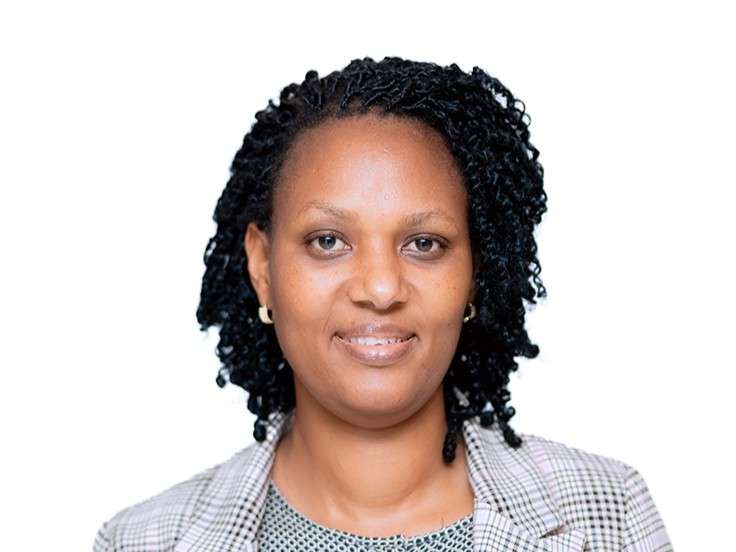
Earning credibility in the boardroom takes more than strong people skills. Beatrice Uwera discusses the importance of aligning HR with business strategy, guiding leaders through change and building organisations that are ready for what's next.
The human resources profession across East Africa is undergoing a profound structural transformation. HR practitioners are moving away from traditional administrative labels to secure central roles in business planning, cultural development and long-term performance strategy.
Beatrice Uwera, HR head at Tres Infrastructure observes that this transition toward holistic human capital management has accelerated dramatically over a remarkably short period.
“Right now, the human resource career is shifting; it’s a big transition,” she explains. “Before, it was more about administration and compliance and was not really seen at a strategic level. But over the past two years, there has been a major move toward strategic leadership, where we now speak about human capital management rather than simply administering human resources.”
Despite this evolution, claiming a seat at the executive decision-making table remains an uphill battle for many. Traditional business leaders struggle to see how people management directly influences broader financial and operational outcomes. Overcoming this ingrained mindset is a significant hurdle for people professionals.
“To build understanding at the executive level around the strategic role of HR and the needs of the function was a major challenge,” Beatrice notes. “Some leaders still view it as a functional or administrative process.”
To overcome this executive resistance, she says, forward-thinking professionals are relying on continuous internal coaching and patience. They are actively guiding leadership teams to understand complex market realities while designing clear, user-friendly procedures that show tangible value. This deliberate focus on open communication during times of high-pressure helps reluctant executives and overwhelmed staff members to adapt to new performance frameworks without burning out.
Aligning HR with business strategy
On the other hand, the strategic role of HR requires a strong understanding of a company’s business model, financial performance and the relationship between human capital sufficiency and organisation results. HR is no longer limited to administration and compliance; it plays a critical role in driving business sustainability and growth.
“You just focus on having strong processes and clear communication, while ensuring that human capital analysis actively contributes to business sustainability and company growth. As HR, I believe early communication and alignment are key to bringing everyone to the same understanding. When expectation is clear from the start, execution becomes smoother and more effective. Pressures will always be part of the work environment and it’s advised to create it, but what truly defines performance is how those pressures are managed. Our responsibility is to show and support employees on how to manage stress effectively, remain focused, and perform with resilience under demanding conditions,” she explains.
At the same time as the function is securing its strategic influence, it is preparing for advanced workplace technology. According to Beatrice, proactive leaders are actively drafting internal AI frameworks to ensure workforces are fully prepared for the next wave of digital integration, proving modern human resources is about future readiness.
“What I have been working on is an internal AI policy to ensure employees are aware of these developments and understand how we will approach integration within the organisation,” Beatrice concludes.