
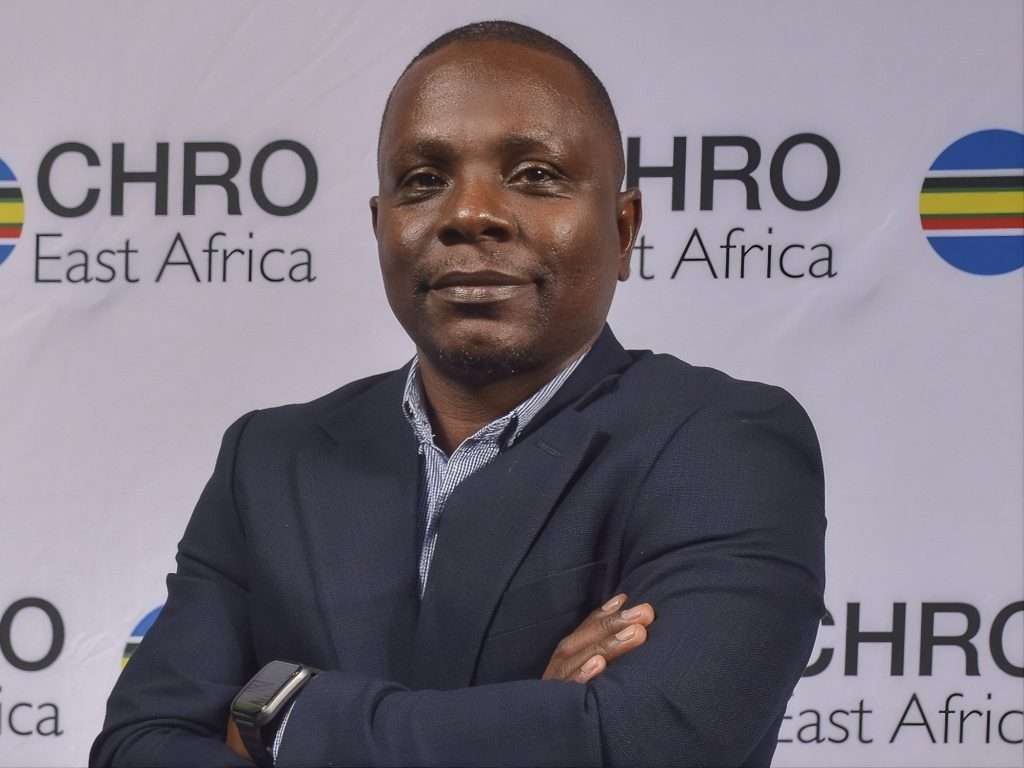
Great hospitality starts with great people, says Naftal Ndege, group head of HR at ARP Africa Travel Group.
Naftal shares how stronger recruitment, structured career development and continuous engagement can build a workforce that stays and performs, while data and technology are giving HR a more strategic role in the business.
Talent is at the heart of the hospitality industry. What strategies have you found most effective in attracting, developing and retaining people in a sector where service is everything?
The strategies that have worked best for me combine getting the fundamentals right with genuine investment in growth. On attraction, that means a recruitment process that identifies fit for a service culture, not just technical competence.
When it comes to development, I have prioritised structured training and clear career paths. At Pollmans and Rangers, enhancing our training and development programmes was one of the first things I addressed, because people who can see a future in the organisation are far more likely to stay and to perform.
For retention, engagement has to be continuous rather than an annual survey exercise: regular check-ins, recognition of high performers and visible responsiveness to what staff raise.
The staff engagement and satisfaction survey results bear this out. Moving engagement from 20 percent to 60 percent within six months at Pollman's was not the product of one initiative but of tightening recruitment, onboarding, training and communication together.
Leading the HR function across multiple businesses is demanding. How do you manage the pressures of the role while maintaining your own wellbeing and work-life balance?
I am deliberate about protecting time outside of work, and I lean on activities that are different from the demands of the day job like photography, reading, travelling and time in the garden all give me a way to switch off and come back with a clearer head.
I also believe strongly in building a capable team around me rather than trying to hold every issue personally; the more I have invested in structured processes and in the people I work with, the less the role depends on me being permanently reactive.
That said, it is not always balanced. Leading HR across a group with operations in two countries means the phone rarely stops, and managing that honestly, rather than projecting an image of effortless balance, is part of staying credible with my own team.
Technology, workforce expectations and the nature of work are changing rapidly. How do you see the role of HR evolving, and what should today's HR leaders be doing to stay ahead?
HR is moving decisively from an administrative and compliance function towards one that is expected to inform business decisions with evidence. I saw this shift firsthand managing HRMIS reporting and workforce analytics at Pwani Oil, and it has only accelerated.
Today's HR leaders need to be comfortable using data to make the case for people's decisions, not just to report on them after the fact. Workforce expectations are also changing, particularly around flexibility, recognition and continuous feedback rather than once-a-year appraisals.
My advice to HR leaders is to stay close to the operational reality of the business as you cannot design credible people strategy from a policy manual alone. Build the digital and analytical fluency to translate that reality into the language the rest of the business and its investors understand.
What advice would you give to young HR professionals who aspire to become strategic business leaders rather than traditional HR practitioners?
Get close to operations before you specialise in HR.
Take time and appreciate how a business actually runs, which is something a purely administrative HR career can miss. Learn compliance and process discipline early, because it is the foundation of credibility, but do not let it become the ceiling.
Volunteer for the initiatives that touch the wider business, e.g. reporting, process mapping, cross-functional projects and use them to build a track record in numbers, not just activity.
Strategic HR leadership is earned by consistently showing that people's decisions move business metrics, and that only comes from staying curious about the business itself, not just the HR function within it.