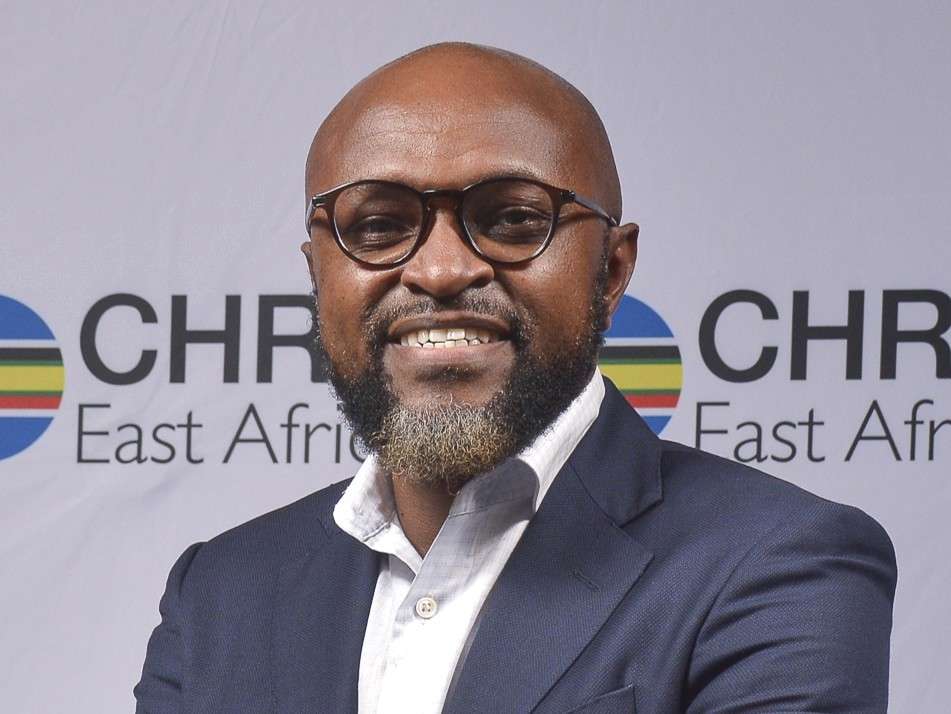
Ozem Muriuki, head of HR & organisational development at Prudential Kenya, argues that HR earns its place at the executive table through a strong understanding of the business, sound judgment and the courage to give honest advice, even when it is difficult to do so.
Ozem discusses the people challenges changing organisations, why leadership development, succession planning and employee wellbeing matter for long-term performance, and what young HR professionals need to do to build successful careers and progress into executive leadership.
As someone who advises CEOs and boards on people matters, what do you think makes HR a trusted strategic partner rather than just a support function?
Trust is earned through consistent commercial fluency, sound judgment and the courage and willingness to offer candid counsel even when it is inconvenient.
A strategic HR leader must understand the business model, risk landscape and growth ambitions with the same rigour as any other executive. We must bring data and insight rather than anecdotes, demonstrate how people decisions directly affect performance and risk, and operate with absolute integrity as a confidential sounding board.
Equally important is the ability to translate strategy into practical organisation design, talent pipelines and change plans that the business can execute. When CEOs and boards see HR consistently anticipating issues, proposing solutions that protect and create value, and delivering with reliability, the function moves from support to indispensable strategic partner. That privilege carries a clear obligation: protect and create organisational value, never merely protect the function. The moment the latter becomes the priority, trust begins to erode.
The financial services sector continues to evolve. What are the biggest people challenges facing HR leaders today, and how are you responding to them?
The sector confronts a familiar yet intensifying combination: acute competition for specialised talent, accelerated digitalisation, regulatory complexity and rising expectations around purpose and wellbeing.
Attracting and retaining critical skills while building future capabilities, managing the human impact of transformation, and sustaining engagement in hybrid or matrixed environments are daily realities.
We respond through deliberate workforce planning linked to strategy, robust succession and career frameworks, targeted leadership development, and wellness programmes that support physical, mental and financial health.
Technology is leveraged to improve employee experience and free HR capacity for strategic work. Continuous dialogue with managers, clear communication of change, and collaboration across local, regional and group centres of excellence help us stay agile while remaining compliant and people centred.
Leadership development, succession planning and employee wellbeing have been recurring themes throughout your career. Why are these areas so important to long-term business success?
Organisations succeed or fail on the quality of their leadership and the depth of their talent bench. Systematic leadership development and succession planning ensures continuity, reduce key-person risk and create internal mobility that retains high performers.
They also signal to employees that the organisation invests in their growth, which strengthens engagement and commitment. Employee wellbeing is no longer optional. A workforce that feels supported physically, mentally and emotionally is more productive, innovative and resilient, especially in demanding sectors such as financial services and insurance, where client relationships require emotional intelligence and sustained energy.
Together these three pillars create a self-reinforcing cycle: capable leaders who prioritise people, clear pathways for talent, and a healthy culture that sustains performance over the long term. Neglect any of these three areas and organisational capability erodes quietly often while short-term metrics still appear acceptable.
Long-term success is built on the quality of the people system, not despite it.
What advice would you give to young HR professionals who want to build a successful career and eventually move into executive leadership?
First, master the fundamentals of HR while deliberately building commercial acumen, understand how the business makes money, manages risk and competes. Seek stretch assignments in change, organisation design, talent and technology early.
Second, invest in continuous learning: formal qualifications, professional certifications such as SHRM, CIPD CHRP etc and exposure to different sectors broaden perspective.
Third, cultivate strong stakeholder relationships and the ability to influence without formal authority. Seek mentors and, equally, mentor others. Be curious about data and analytics and develop the courage to give candid advice. Marshall Goldsmith’s reminder that “what got you here won’t get you there” applies with particular force in HR.
Finally, remain grounded in ethics and people-centred values. Executive leadership in HR is ultimately about enabling others to succeed while holding the organisation to high standards of fairness and performance. The path is rarely linear, embrace diverse experiences; they compound into the judgment required at the top.
How do you unwind after a busy day in the office?
I recharge through time with family, reflective reading, and community involvement.
As a Rotarian, service to community and fellowship remain important outlets. Occasional outdoor activity and simply being present with loved ones help restore balance and perspective, so I can return to the demands of the role with renewed energy and clarity.