
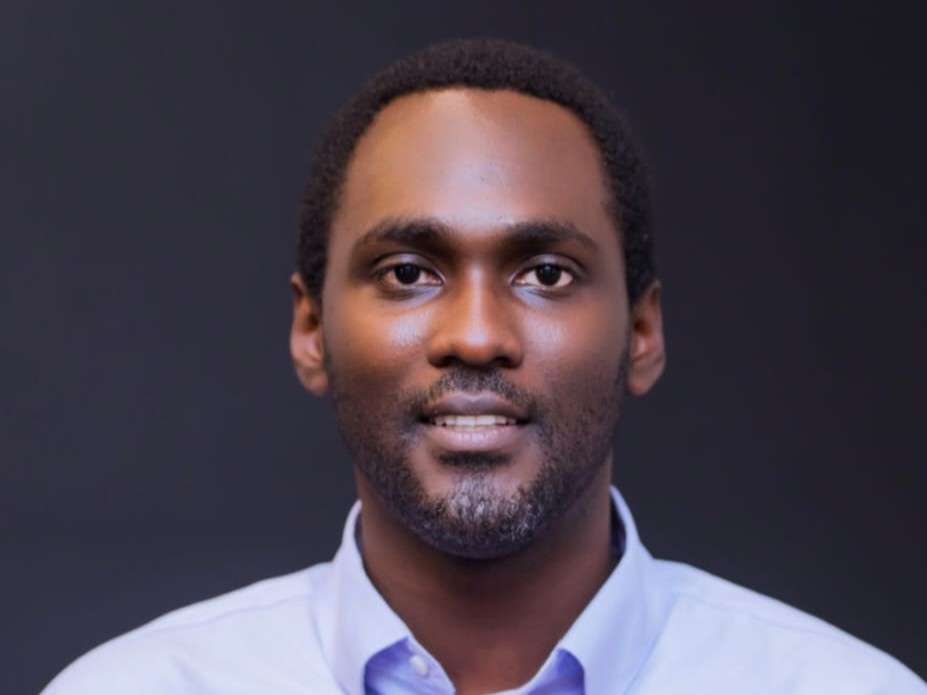
Robert Murengezi says HR must stop administering and start adding value

post-title

Robert Murengezi says HR professionals who cannot show how their work connects to business results will struggle to be taken seriously. He makes the case for an HR function that listens, measures its impact and keeps the human element intact even as AI takes over more of the work.

Robert Murengezi, HR & administration manager at Oryx Energies in Rwanda, has a clear view of what the function is for. HR should support people, connect that support to what the business needs and be able to show that the work makes a difference.

“HR is a strategic function to bring in value. It is more about strategically supporting the business through the people. It is looking at what they need in terms of development and support and looking at how we could build on that and relate it directly to the business,” he says.

Topics like wellbeing and mental health are no longer optional conversations. Robert says when these go unaddressed, the effects show up in performance long before anyone identifies the real cause.

He uses staff surveys as one of his main tools for understanding what people are actually experiencing. For him, they work because the feedback comes directly, without being filtered through a manager.

“These surveys are basically to give you a feel of what is happening because you want to know what people are thinking. What other way of assessing would there be than listening to what people have to say? When people can give feedback even when you are not in the room, that gives you a clearer picture of what is really happening,” he says.

On culture, Robert says it is one of those things that sounds simple until it breaks down. By the time an organisation realises there is a culture problem, the damage is usually already done. 

“Culture is simple, but it is actually a big thing. If you have worked in organisations where there is a culture challenge, you know the impact it can have. Culture is really about how things are done, how behaviours are modelled and how people show up every day. Most of the time, it starts with leadership because leaders set the example through their actions and the behaviours they reinforce,” he says.

While technology has transformed the way HR functions operate, Robert believes it should never come at the expense of the human connection at the heart of the profession.

“The human side of HR cannot be fully systemised; there will always be a need for empathy, judgement and connection. Ultimately, I measure the success of an HR function by two things: whether people in the organisation have grown and whether the business is stronger because of its contribution. If both happen, then HR has done its job,” he says.


Related articles

AAR Hospital's Wanja Kung'u makes HR a place people can walk into 

Wanja Kung'u has built a HR philosophy around being present, listening first and understanding the business before shaping its people strategy. As head of HR at AAR Hospital, she reflects on the evolution of the profession, navigating mergers and difficult employee exits, and learning the unique demands of healthcare. 

AAR Hospital's Wanja Kungu believes growth should flow both ways

After nearly two decades in HR, Wanja Kungu has seen leadership evolve from a position of authority into one of continuous learning. The AAR Hospital HR head shares why developing people, sharing knowledge and staying open to new perspectives have become central to how she leads.

Branch Microfinance Bank’s Grace Gathu turns her career detours into purposeful leadership

Grace Gathu once dreamed of becoming a bank manager. Instead, her career took her through radio broadcasting, customer service, the non-profit sector, education and eight years in fintech before bringing her full circle into banking. Today, as head of people & culture at Branch Microfinance Bank, she reflects on the unexpected detours, defining experiences and lessons that have shaped her approach to people, culture and leadership.

ARP Africa Travel Group's Naftal Ndege shares the leadership principles behind thriving workplaces

As group head of HR at ARP Africa Travel Group, Naftal Ndege is helping shape a people strategy that spans Kenya and Tanzania while strengthening engagement, developing talent and aligning HR with business performance. Drawing on experience across manufacturing, FMCG and hospitality, he shares the lessons that have shaped his leadership and his vision for the future of work.

East Africa's HR leaders explore how organisations adopt AI

As AI reshapes the workplace, HR leaders across Africa are focusing less on adoption for its own sake and more on solving real business challenges. Rose Karugu, HR, administration and IT director Ishara Towers Rwanda, Victor Komu, HR director Africa at Gardaworld Africa and Caroline Karoki head of people and culture at ALN Kenya, share how organisations can approach AI thoughtfully, strengthen governance and prepare people for the future of work.

Oryx Energies' Robert Murengezi says growth begins where comfort ends

Having worked across banking, non-profit, telecommunications, education and energy, Robert Murengezi says no two organisations demand the same approach to HR. For him, career growth comes from embracing unfamiliar challenges, while great hiring begins with patience and process.

Top