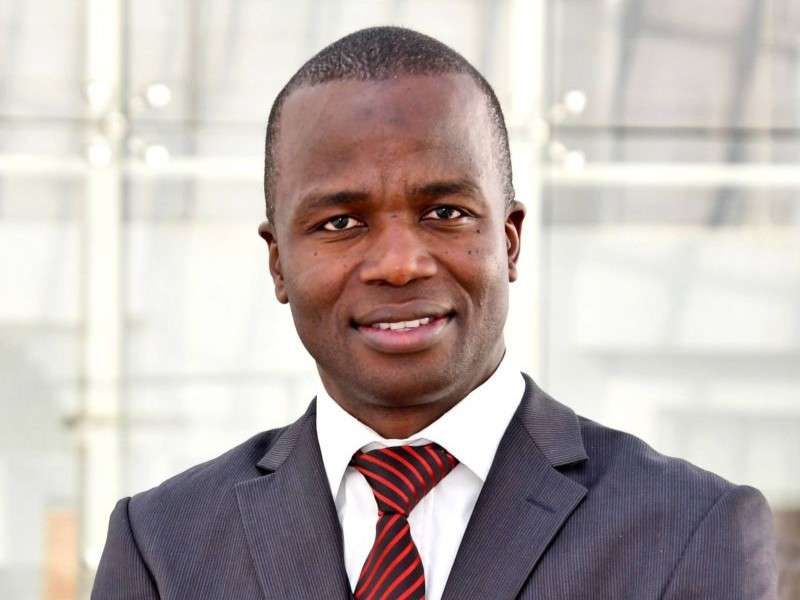
Gerishen Katieno, CHRO at Saruni Basecamp, explains how he shapes HR programmes to support both business growth and employee well-being.
Gerishen shows how putting people first drives meaningful change.
As the CHRO at Saruni Basecamp, you have led integrated human capital programmes that align closely with the company's growth strategy. How do you ensure that your HR initiatives support both the organisational mission and long-term business objectives?
The Saruni Basecamp purpose is a great guiding principle in our hiring strategy, as our goal is to onboard employees who are contributing to our sustainability goals and community engagement. We focus heavily on local talent development through the SBC Academy, where our one-year skill to industry programme has helped us achieve a local employment staff index that currently stands at 83 percent. Additionally, our Leading with Impact programme allows us to create a funnel of leaders and talents for the future expansion of the business.
In your role as business transformation lead and in previous consultancy positions, you have helped businesses navigate significant post-Covid challenges. Could you share an example of a change management initiative you led that played a key role in repositioning a business for future success?
I believe in a people-first model that involves weekly engagement with the teams on the floor to better understand their needs, respond swiftly and keep them informed. This includes coaching unit business managers to be people managers first by decentralising the human resource function to the business units and being a humanised leader who shows deep concern and support for the teams, because people are human before they wear their titles, which means we must empathise, listen and support them.
At Computech across the region, including Kenya, Uganda, Tanzania, Rwanda, and Zambia, we committed to this people-first model during Covid19 by having a genuine check with at least 15 staff weekly on an individual basis just to check on their wellbeing and reassure them. We also set up an idea bank where any business ideas were welcomed and we would thereafter sieve, analyse and implement what was feasible per time to co-create solutions in the midst of the crisis.
You have been responsible for HR strategy across five countries in the past. What are the primary challenges of implementing a cohesive talent and culture strategy across multiple regions, and how did you successfully address them?
Purpose clarity is absolutely key, as we must ask who we are and what we stand for as an organisation, ensuring the HR strategy aligns directly with the organisational purpose and strategy. The co-creation of the HR strategy is also vital, which involves seeking feedback from line managers on key business priorities so that the strategy is aligned with customer needs.
You need a dynamic and evolving strategy rather than adopting static five-year plans, meaning you must be flexible and adaptable because disruptive market and business environments require constant flexibility. Top leadership shapes the culture conversation through the mirror effect, where the customer experience directly reflects the employee experience.
Finally, regarding digital transformation and tech driven innovation, we must leverage tech to enhance efficiency and better serve the customers, innovating within the customer needs space rather than innovating just to appear as a sophisticated organisation, because all innovations must enhance the customer experience and have a higher return on investment.
You have built HR functions from the ground up in various organisations. What are the first steps you take when establishing an HR department in a growing organisation, and how do you ensure it can scale as the business expands?
The very first step is to conduct a health check or audit, where we appreciate the wins as we unearth the gaps. We then develop a road map for the change process path, painting a clear picture of the desired state of the organisation with a fully established HR function.
It is important to have a mindset shift conversation with the teams starting directly from top leadership to position HR as a strategic business partner, rather than just a function to mitigate compliance issues or gaps.
Ultimately, HR needs to drive the employer brand to attract quality, top talent and retain them for continuous business growth.
Throughout your career, you have emphasised the importance of culture change and talent management. How do you strike the right balance between standardising HR practices and maintaining a strong, adaptable organisational culture?
HR best practices must always meet global standards within the specific business context. We take a lean approach to HR practices, which mitigates risks, ensures efficiency, and promotes fairness, with everything beyond this being just details.
We must allow flexibility within a responsible framework, establishing guardrails as opposed to cages.
As someone who has served as an internal advisor to chief executive officers and senior management, how do you approach influencing key business decisions while ensuring HR best practices are embedded, all while staying within the operational scope of your role?
The strongest partnerships between the CHRO and the CEO are built on a regular cadence, such as weekly or biweekly one on one meetings focused specifically on people risks and opportunities, along with joint ownership of talent objectives and key results.
While the focus of the CEO is to get things done, the CHRO shapes the process of how it is done, which means the CHRO must speak the business language and explain how HR is contributing to market expansion, revenue maximisation, cost reduction, and innovation.
Furthermore, HR should lead the conversation on risk mitigation frameworks, not just to say no because of policies, but to champion risk management and best practices to minimise risks across the board.