
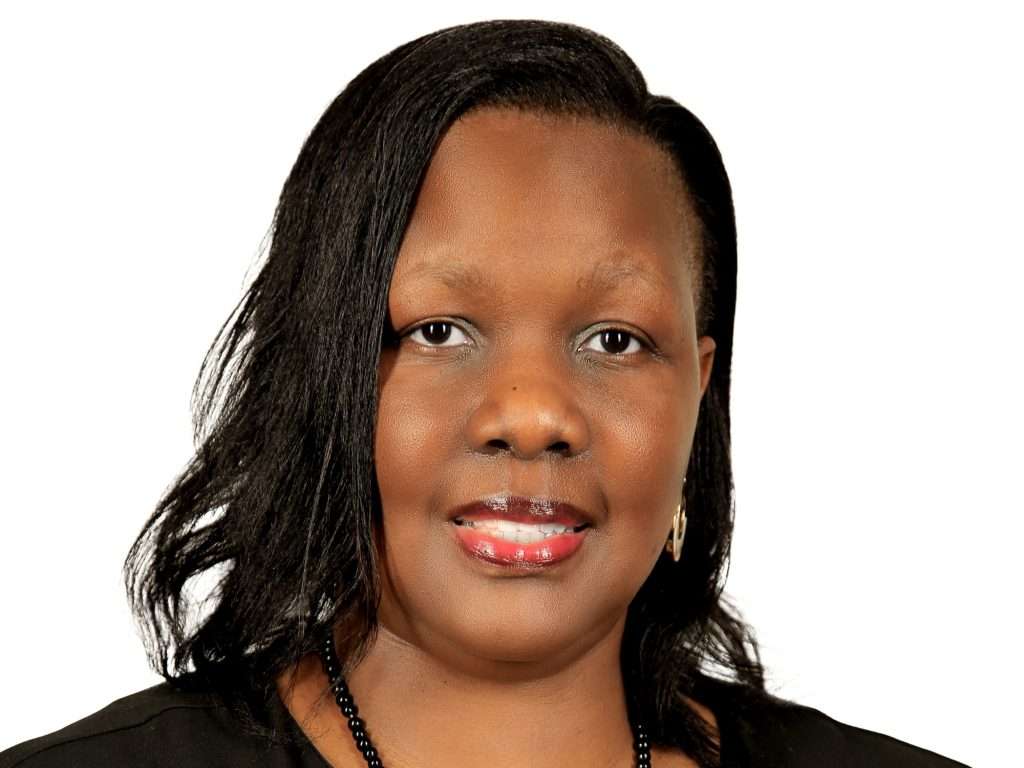
Susan Kabedha, CHRO at Prudential Assurance Uganda, has witnessed firsthand the profound impact that cultural diversity and remote work have had on HR. She talks about the challenges and opportunities of creating environments where employees can thrive and contribute fully.
Susan Kabedha recalls attending her son’s school performance while having to step out mid-event to take an urgent call from a board member and respond to an email.
“I had to step out, go to my car, plug in my laptop, complete the assignment, then return. My son looked at me with a pleading expression, as if asking me to stop,” she says, illustrating the tension between work responsibilities and family moments
Balancing work and life
Susan has spent over two decades building a career at the intersection of people, performance and organisational culture. For her, the evolving demands of cultural diversity and remote work have defined both challenges and opportunities, shaping the way she approaches HR leadership.
“Throughout my career, I’ve realised that every team is unique, shaped by culture, background and expectations. Leading people is about seeing the human behind the role,” Susan explains.
Her journey into HR began in 2002, when she joined an insurance brokerage company through the front desk. Within two years, her aptitude for understanding people and navigating complex workplace interactions led her to transition into HR.
“My bosses then said, based on how I conduct myself, I’d be better suited for HR,” she recalls.
With no formal qualifications at the time, Susan learned on the job, embracing challenges and seizing every opportunity to grow. She later strengthened her expertise through HR training, completing CIPD qualifications between 2021 and 2022.
“I am also a certified Gallup CliftonStrengths coach and a Prosci ADKAR–certified change management coach. Most recently, I completed the RIKA leadership development programme, sponsored by Prudential,” she notes.
Learning on the job
Over two decades later, she has moved through banking and insurance, holding senior roles that exposed her to both strategic decision-making and hands-on HR management
Beyond the office, Susan’s life reflects the same discipline and introspection she brings to work. Balancing a high-profile HR role with personal life often underscores the realities of managing people in a remote and digitally connected world. Technology, she notes, has increasingly challenged the balance between work and personal time as expectations for availability continue to rise.
“Even at a wedding, you’re responding to an email. Leisure and self-care have also been difficult to prioritise,” Susan observes.
These experiences shape how she approaches the evolving demands of remote and onsite work in her teams, ensuring policies support wellbeing while maintaining accountability.
Susan notes that remote work presents its own set of challenges and opportunities. “In the banking sector, client-facing roles require the team to be physically present because customers expect in-branch support and regulatory processes to be handled on-site, leaving very little room for remote arrangements,” Susan notes.
To accommodate personal needs within these constraints, Susan and her team introduced flexible hours, giving staff the option to start earlier or later while still completing their full shift, a practical adjustment suited to the operational demands of the industry.
At the same time, she recognises the potential pitfalls of remote work. At Prudential, employees whose roles allow them to work remotely include HR, marketing and other non-client-facing functions to support wellbeing and work-life balance.
“To ensure accountability, the company has introduced clear guidelines, including keeping cameras on during meetings, being available during agreed work hours and meeting expected outputs,” she points out.
Managing accountability and wellbeing
Susan also highlights systemic HR challenges in Uganda, including shortages of specialised technical skills such as data analysis, digital capability and sector-specific expertise, as well as gaps in people management. She notes that some line managers may lack the tools to lead effectively, which places additional pressure on HR to step in and support them.
“Line managers are the first people managers, but training alone doesn’t make them effective. We have to continually coach and equip them,” Susan emphasises.
She stresses the importance of balancing organisational objectives with the human element, recognising burnout, supporting mental health and creating a psychologically safe workplace. Initiatives such as wellness programmes and targeted leave policies aim to embed wellbeing into the organisational culture, but Susan admits it is an ongoing journey.
“We can never make everyone 100 percent happy, but progress matters. If I reduce complaints from ten people to six, we are moving forward,” she explains.
Susan’s tenure in banking first exposed her to the complexities of cultural diversity. Leading teams that included expatriates from Nigeria, Kenya, Zimbabwe and Ghana, she quickly realised that integration required more than onboarding; it required active coaching and sensitivity.
“I had leaders who called out behaviour straight up, and my Ugandan staff weren’t used to that,” she explains. “I had to coach the staff to understand it wasn’t personal. At the same time, I had to help the leaders understand local nuances, how we communicate and manage differently.”
Navigating cultural differences
Even within Uganda, Susan notes, regional differences can create friction. She gives the example of staff from Kabale in Western Uganda, who tend to be more outspoken, while those from Central Uganda communicate in a more measured tone. She adds that each group brings its own strengths and expectations, shaped by their environment. Navigating these differences has become a key part of her role in aligning organisational culture with strategic goals
Performance measurement is another lens through which Susan evaluates her impact.
“Beyond attrition and engagement scores, I consider the softer metrics of employee experience and psychological safety. My reflective approach ensures that HR interventions are aligned with business goals while nurturing a culture of trust and inclusion,” she highlights.
For example, she actively tracks the impact of initiatives and uses feedback from exit interviews and surveys to guide decisions, such as adjusting wellness activities, refining manager development programmes and revising leave policies when recurring concerns emerge, demonstrating a commitment to continuous improvement.
She believes HR professionals must be deeply connected to both people and performance, shaping environments where employees can thrive even amid change.