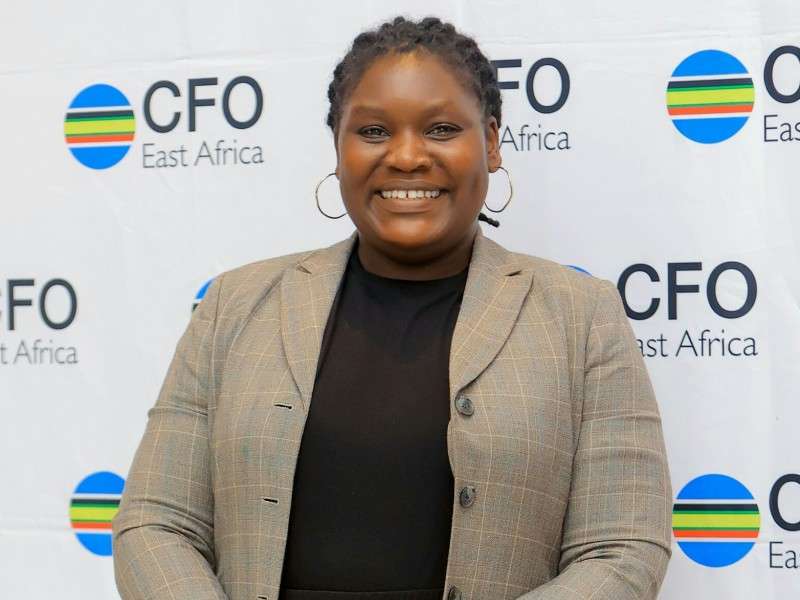
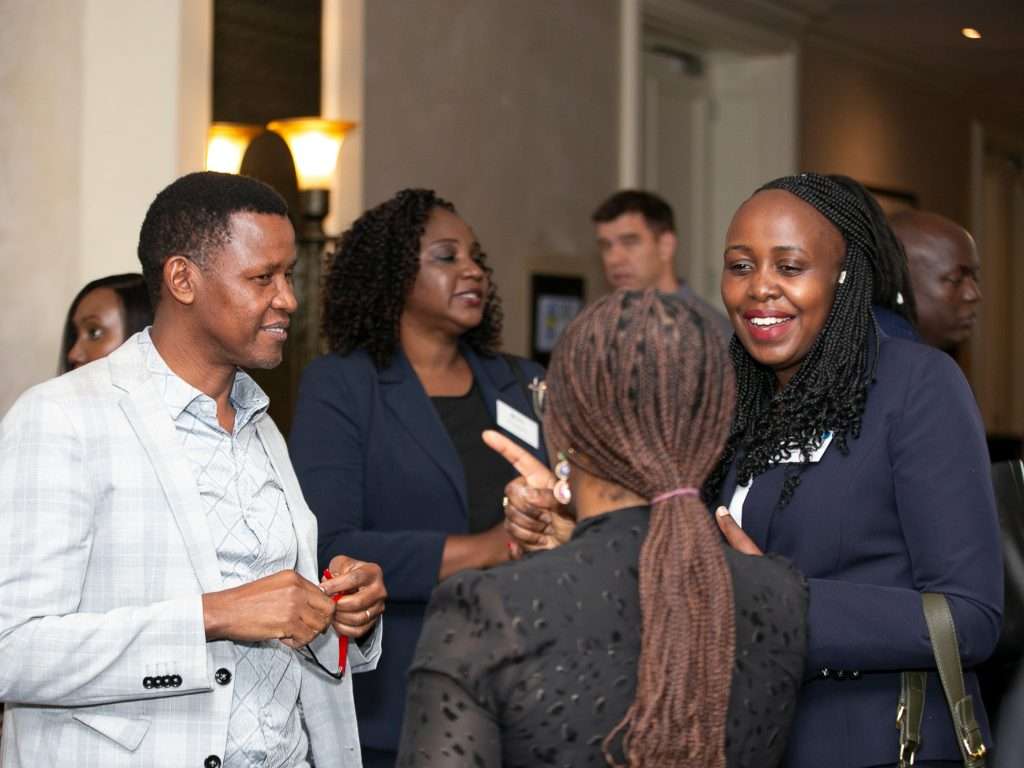
For the first time, HR leaders from the East African region gathered at Villa Rosa Kempinski in Nairobi to mark the launch of a community built specifically for the region's people leaders.
More than 100 HR executives from across East Africa gathered at Villa Rosa Kempinski in Nairobi on 15 July for the launch of CHRO East Africa, a turnout that made clear just how much the profession had been waiting for a community of its own.
The historic launch brought together HR leaders from Kenya, Uganda, Tanzania and Rwanda for an evening of insightful conversations and new connections, with executives making the case that HR has outgrown its old administrative role and now sits at the centre of business strategy.
The event, organised by Executive Communities, which founded the flagship CFO East Africa and CITO East Africa communities and affiliated communities in South Africa, marks the largest launch in its 15-year history.
CHRO East Africa senior writer Nancy Wainaina and director KC Rottok Chesaina gave attendees a warm welcome to the event before Executive Communities managing director Joel Roerig took the stage to host the evening's opening conversation.
The first panel featured Capwell Industries chief people officer Hannah Karuru and Liberty Kenya Holdings general manager for people and culture Felix Ochieng, who pushed back on the idea that younger employees are harder to manage.
“I feel like we are diagnosing the wrong problem. It's not that the younger employees are impatient. Sometimes I feel as though we are trying to build leaders for yesterday's organisations and ask them to respond to tomorrow's workers,” Hannah said.

She revealed that she has since stopped hiring for culture fit, choosing instead to recruit for what she called culture add, based on the idea that fresh perspectives have a competitive advantage.
Felix agreed, adding that forums such as CHRO East Africa would help HR leaders share best practices and grow the profession together.
“We've actually grown to become architects of organisational capability, and we are moving away from this notion of getting into the operational gravity,” he said.
Leading the AI conversation
A panel on the future of work saw Ishara Towers Rwanda HR director Rose Karugu, ALN Kenya head of people and culture Caroline Karoki, and Gardaworld Africa HR director Victor Komu debate where AI leaves HR standing.
Victor argued that the seat at the table on AI belongs to HR rather than IT or finance and warned that HR teams left out of early conversations end up implementing decisions made without them.
“AI has rewritten the rules of working. HR is supposed to act as that very critical link between the people and the technology, and so it's very important that we HR people are actually involved in the conversations on AI from the very beginning,” he said.

Caroline pointed to recent projections that AI could displace tens of thousands of roles in the region while creating several times as many, saying the task for HR was to prepare people for the shift.
"AI will not replace people, but people who do not use AI will be replaced, so we're constantly encouraging our teams to adopt it and rethinking career paths for the younger workforce, which actually makes the work more interesting,” she said.
Rose concurred, noting that the balance between adopting new technology and protecting jobs is delicate, saying her focus remained on developing her existing team and drawing in fresh talent.
"With or without AI, our people are what drive results and support the business,” she explained.
A different thread
After the panel discussions, attendees heard from Brenda Wakaba (partner, Factorial) and Titilope Olajide (partner and head of transformation, KPMG East Africa), each of whom offered a practical counterpoint to the AI conversation.
“The risk in AI in HR isn't the technology. It is the training gap. It is the context. It is the data. You feed AI rubbish, it's going to give you amazing rubbish, and you think it is the truth,” Brenda said.
Titilope picked up a different thread, pushing the room to think about where real influence sits.
"Sometimes power in an organisation doesn't sit with the most powerful person. It sits with the person that powerful person listens to. And how well we understand that, how well we understand power and politics in our organisations, is tied to everything we're trying to push as HR professionals," she said.
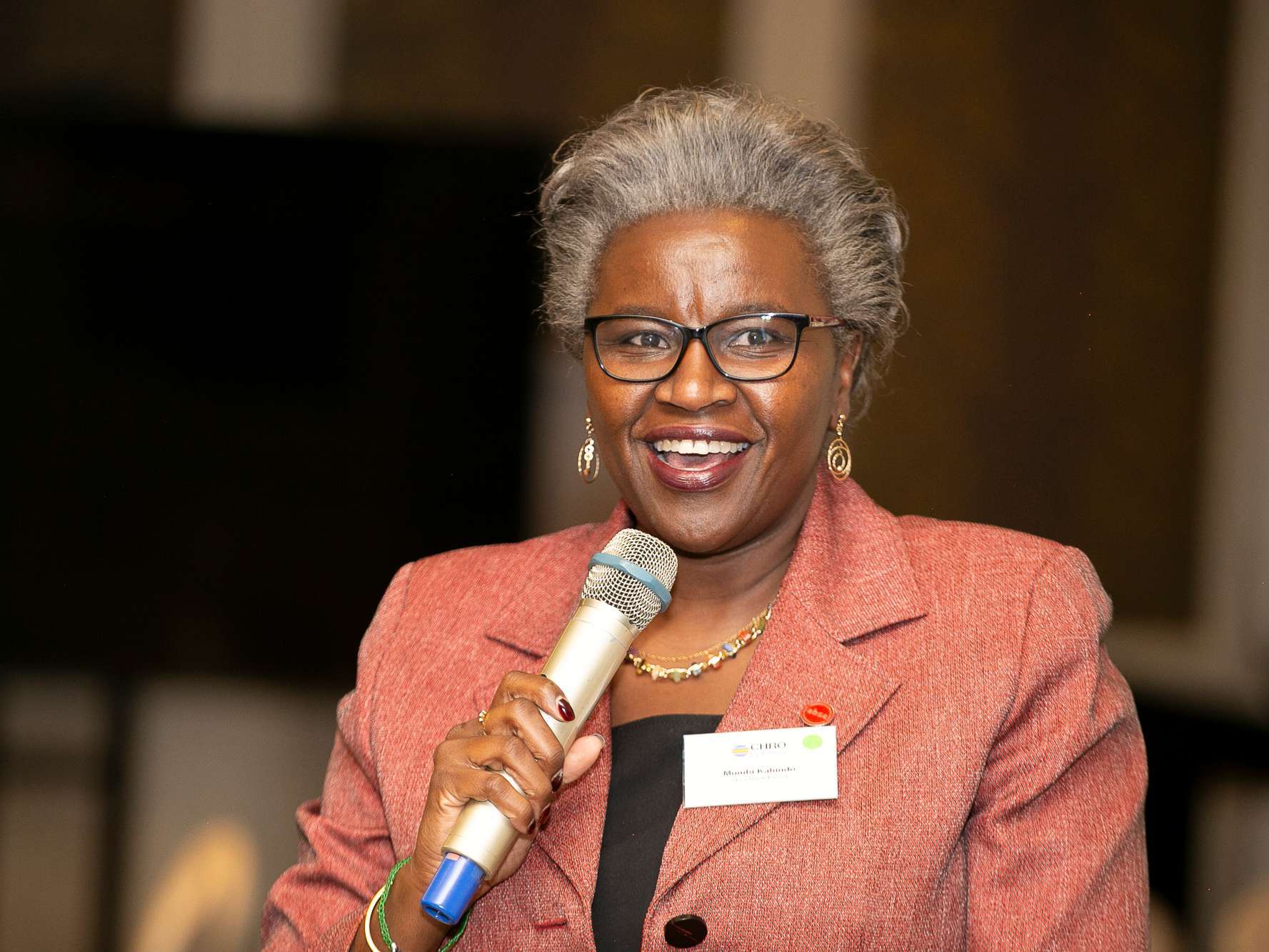
Absa Bank Kenya chief people officer Mumbi Kahindo then delivered the evening's keynote address, recalling a time when HR practitioners were known as personnel officers and reported into finance rather than sitting on the executive committee.
Mumbi outlined four priorities she is carrying into Absa's next strategic review: capability, leadership pipelines, retention and resilience. She added that the organisations that succeed will be those that invest as much in their people.
"Retention for me is not pay. Retention for me is more meaningful work. Pay, yes, because that's always my practice, I do a salary survey every year, and I encourage people in these changing times to benchmark themselves against other organisations. It helps. You'd be surprised how certain roles pay out simply because it's a rare skill, and you may be lagging behind, thinking you'll deal with it in three years or so. I encourage more regular benchmarking," she explained.
Investing in people
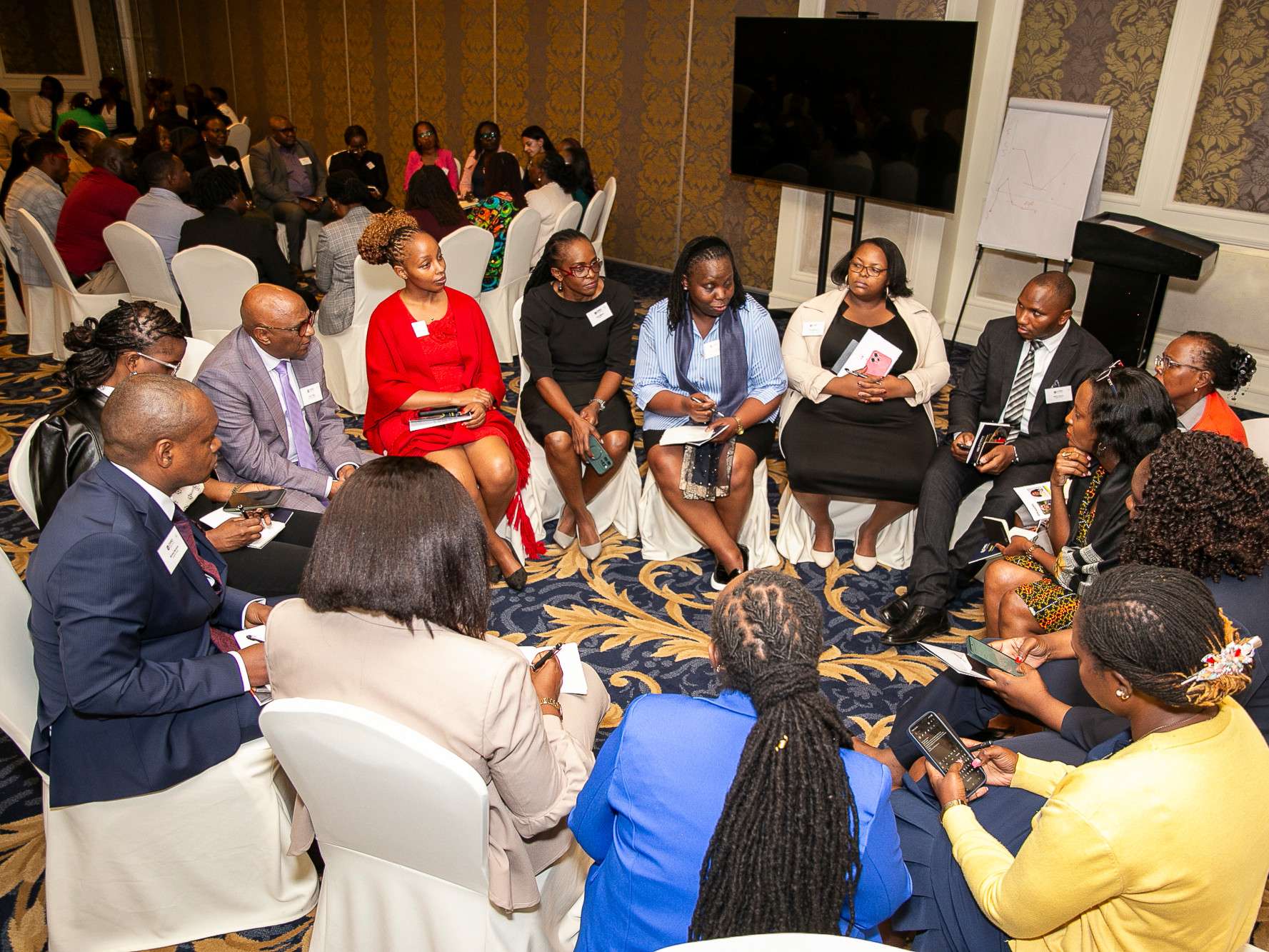
Following the panel discussions, participants split into interactive group sessions, where they spoke about shared concerns and exchanged ideas on the future of the profession while enjoying pass-around canapés.
Saruni Basecamp CHRO Gerishen Katieno and Ipsos senior HR business partner Sallynavia Kamsa, then delivered feedback from the interactive sessions, revealing that discussions ranged from technology adoption to the pressures shaping the region's workplaces. In one group, HR leaders explored what it would take for more CHROs to take on the CEO role, pointing to CFOs as an example.
During the closing panel, AAR Insurance manager for people and culture Grace Mathu, Fresh Del Monte Kenya country human resources manager Gedion Kimutai, and WWF Kenya head of people and culture Bernard Atonga spoke about culture and the multi-generational workforce.
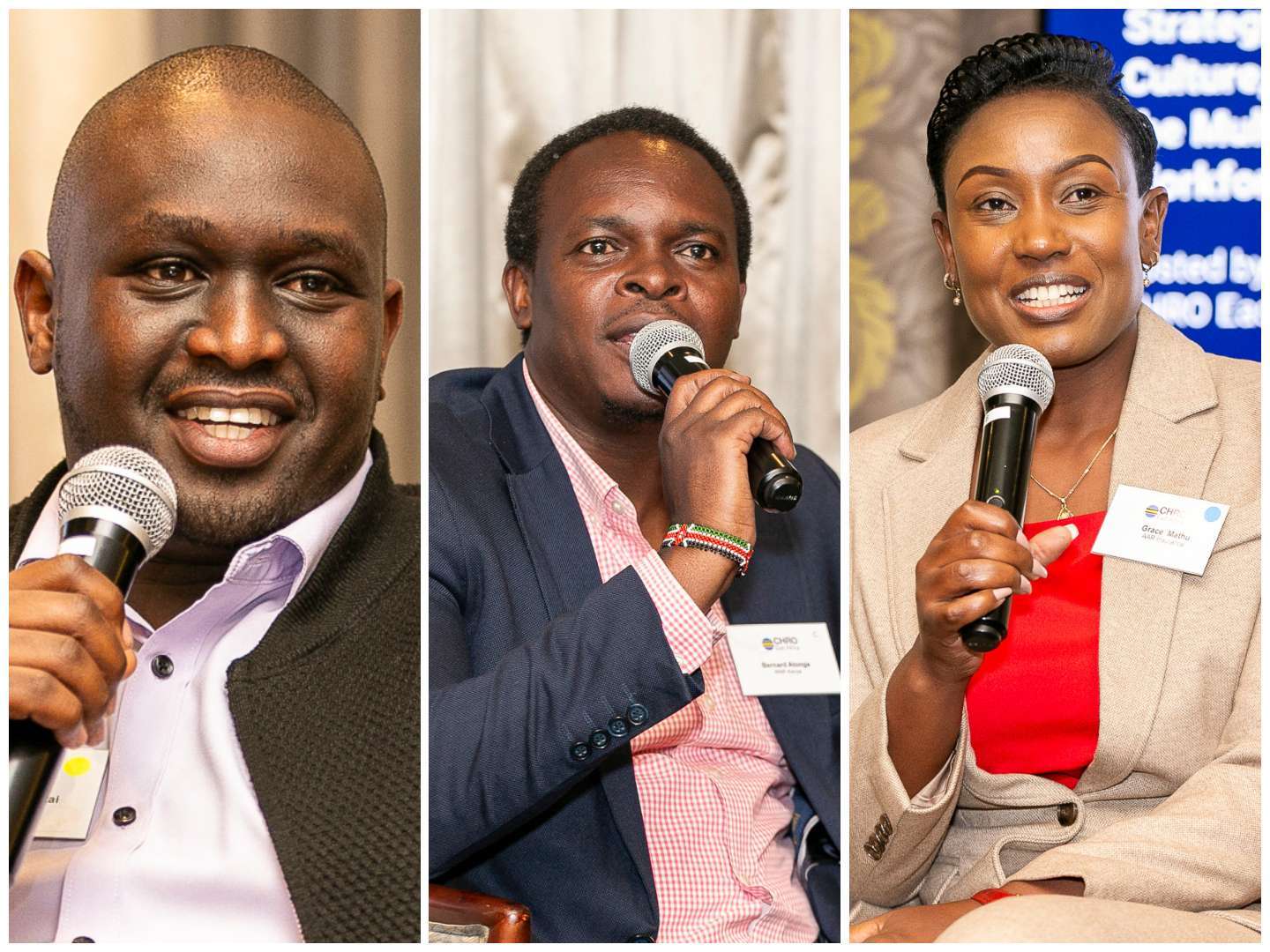
Grace revealed that a staff member had asked for compassionate leave over the death of a pet, along with medical cover for a replacement, an anecdote she used to illustrate how quickly workplace expectations are shifting.
“What was relevant years ago is no longer relevant, and we are constantly evolving. One of our values in the office is agility, so we've had to ask ourselves how agile we really are if we keep arguing with these new demands,” she said.
As Bernard argued, the fix is not more policy but a different measure of a working day altogether.
“There are things AI cannot do, like critical thinking or empathy, and it cannot respond to emergencies the way humans can. So, what we need to do as an organisation is retool and reskill our teams, so people don't fear that adopting AI means losing their jobs,” he said.
The event was supported by principal partners Factorial and KPMG East Africa and associate partners Absa Bank Kenya and Gardaworld.