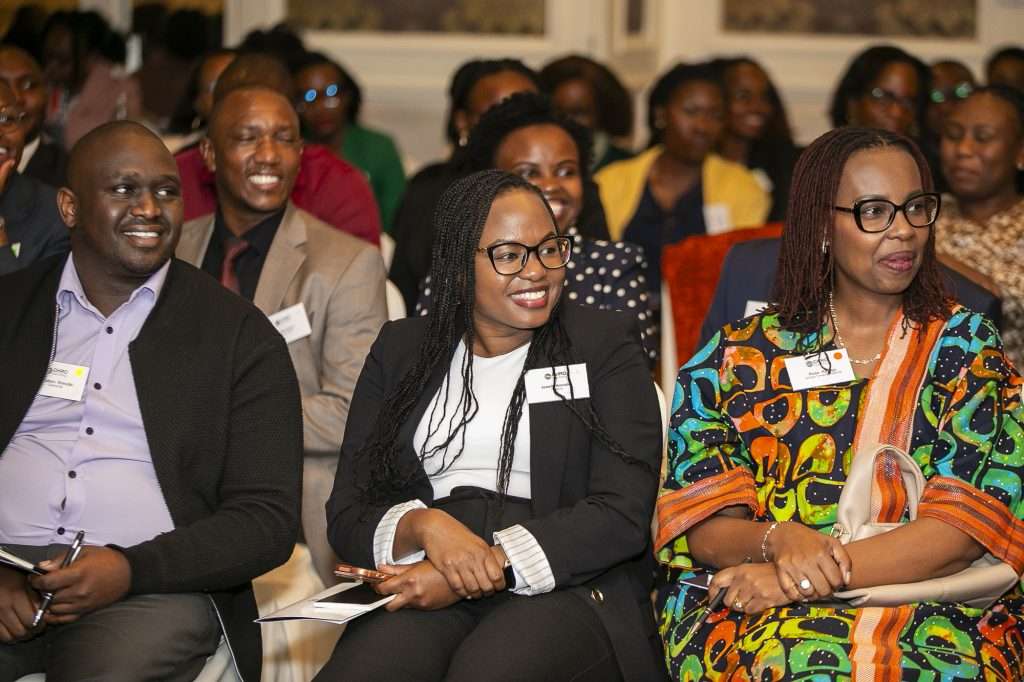
What keeps people in an organisation when opportunities are everywhere? At the CHRO East Africa Launch, attended by more than 100 HR executives from across the region, Felix Ochieng of Liberty Kenya Holdings and Hannah Wanjiku Karuru of Capwell Industries challenged leaders to rethink talent retention, leadership development and the strategic role of HR in building organisations fit for the future.
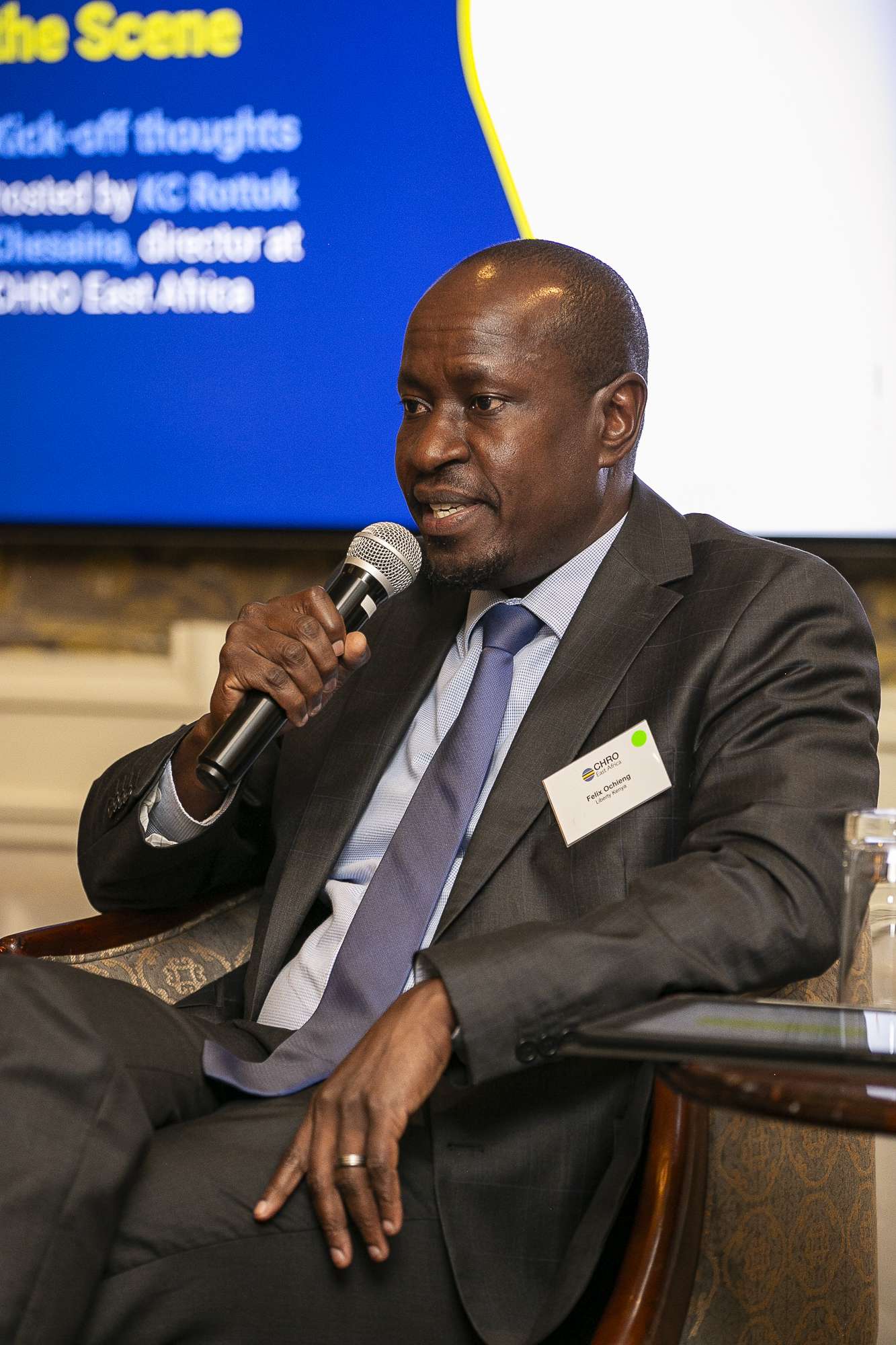
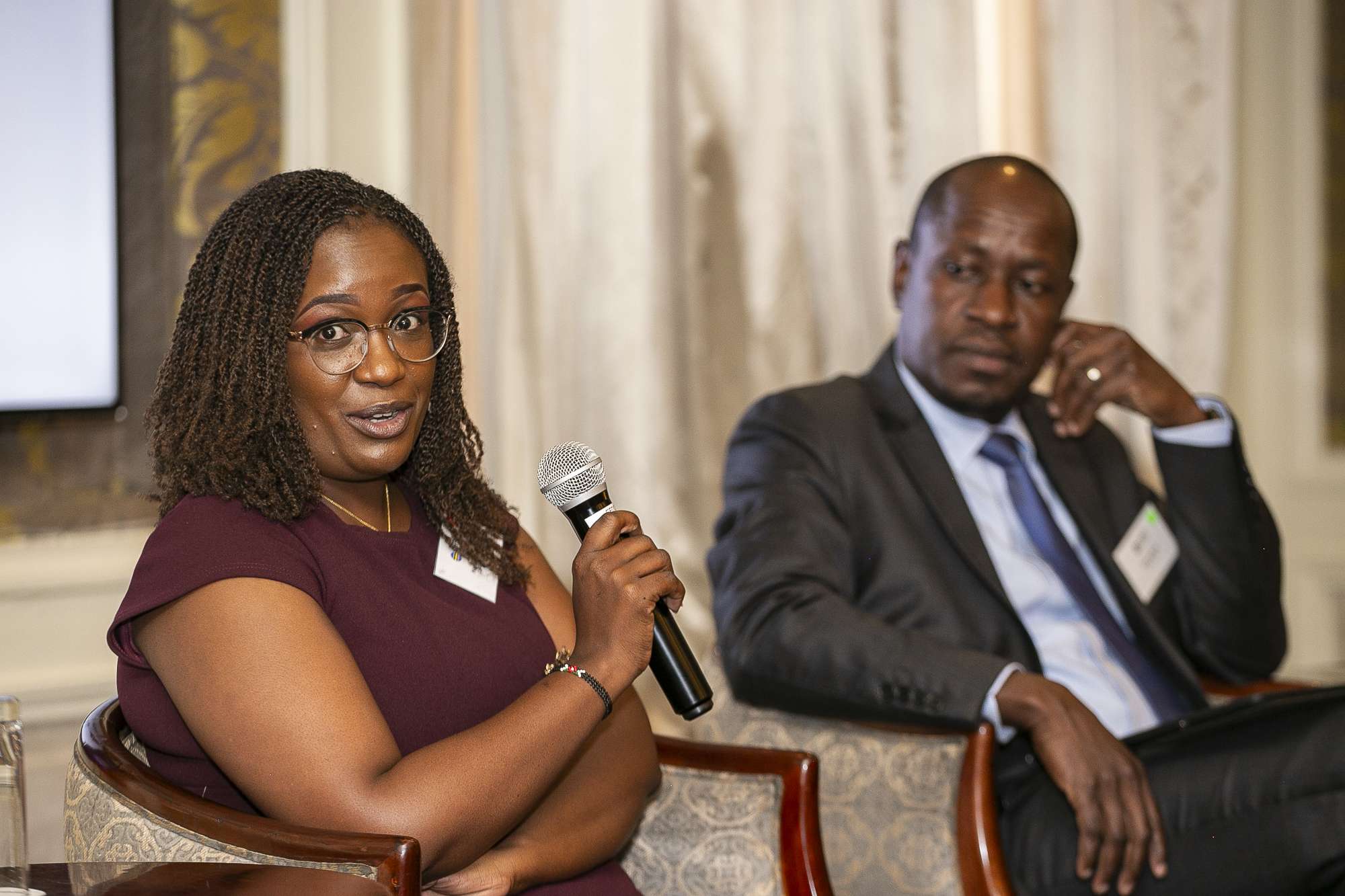
Felix Ochieng, general manager people and culture Liberty Kenya Holdings and Hannah Wanjiku Karuru, chief people officer Capwell Industries set the scene at the CHRO East Africa Launch, which brought together more than 100 HR execs in the region.
Felix drew attention to a shift happening across organisations. Attracting strong talent is one thing, while giving people a reason to stay is another. He believes that is where the real work lies.
“Most people do not leave an organisation because they found something better. I think they do because they are not finding a reason to stay where they are or there are no goals,” he said.
His view is that retention is not something HR leaders can manage through policies alone. It comes down to whether employees actively choose to stay, and that choice is shaped by the quality of leadership and opportunity around them.
“You need to stop keeping employees and start having employees choose to stay with you,” he added.
Building leaders for tomorrow, not yesterday
Hannah agreed that holding on to talent is a genuine challenge but pushed back on how organisations typically respond to it. Leadership development, she argued, needs to catch up with the kind of workplace that actually exists today.
“Sometimes I feel as though we are trying to build leaders for yesterday's organisation and asking them to manage tomorrow's workers. You take people to training sessions that are disconnected from the organisation today and the organisation tomorrow, and then you wonder why your leadership bench is not doing anything different,” she said.
Her approach leans towards adaptive leadership development, building cross-functional capability, commercial understanding and coaching cultures that become part of how an organisation operates day to day. She has also rethought how she hires.
“I have stopped hiring for culture fit. I am looking for different perspectives, different experiences. It is the same organisation, the same values, but I want different things coming in,” she said.
HR as a strategic function
They both agreed that the HR function is moving into new territory, and the leaders inside it need to move with it.
Felix described it as a shift towards building lasting organisational capability rather than managing transactions.
“We have grown to become architects of organisational capability. We are moving away from the notion of recruitment and compliance and towards creating value within the organisation,” he said.
Hannah pointed to data as the next area where HR can make a stronger contribution. Investing in systems only goes so far if the numbers they produce are not being used to shape business decisions.
“We need to move from reporting HR metrics to presenting business metrics. Data has to be the thing that informs the investment, and if it is not doing that, you are not using your systems well,” she said.
The event was supported by principal partners Factorial and KPMG East Africa and associate partners Absa Bank Kenya and Gardaworld.