
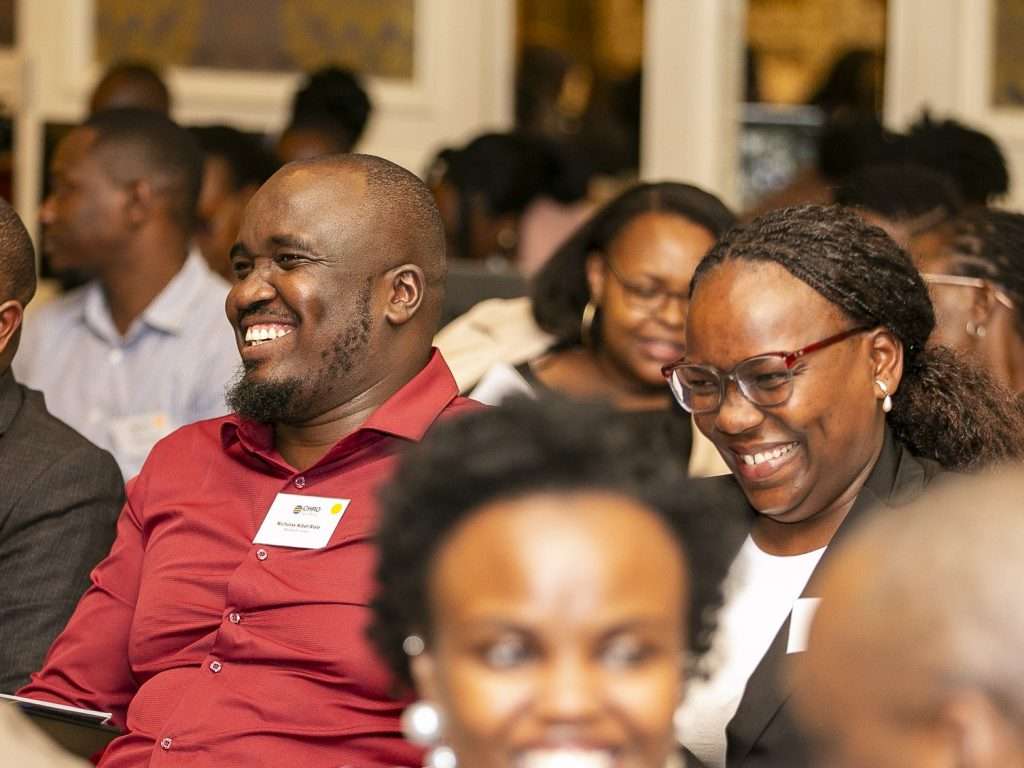
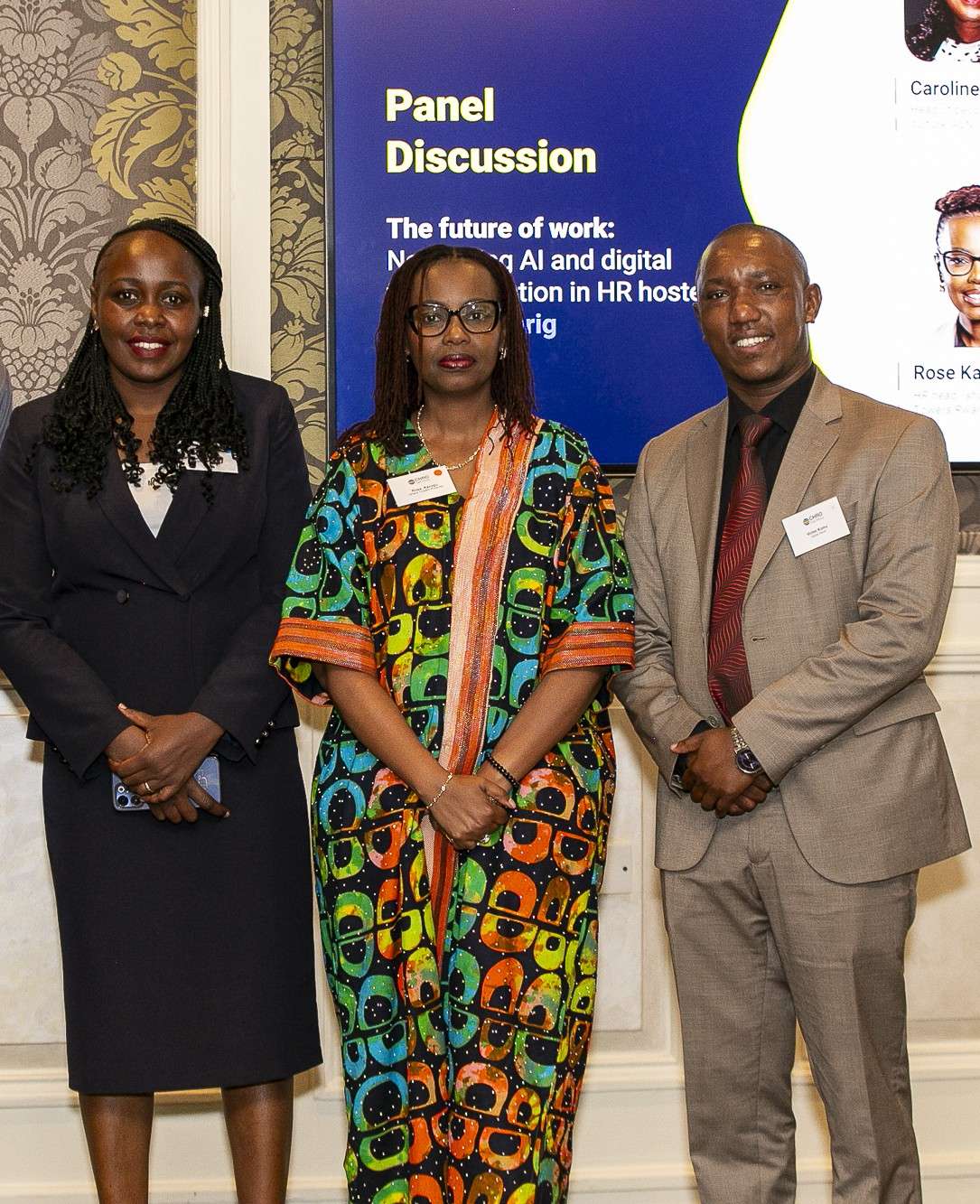
As AI reshapes the workplace, HR leaders across Africa are focusing less on adoption for its own sake and more on solving real business challenges. Rose Karugu, HR, administration and IT director Ishara Towers Rwanda, Victor Komu, HR director Africa at Gardaworld Africa and Caroline Karoki head of people and culture at ALN Kenya, share how organisations can approach AI thoughtfully, strengthen governance and prepare people for the future of work.
When Rose Karugu, HR, administration and IT director Ishara Towers Rwanda, Victor Komu, HR director Africa at Gardaworld Africa and Caroline Karoki head of people and culture at ALN Kenya joined a panel discussion on the future of work at the CHRO East Africa launch in Nairobi, the conversation centred on one question: how do HR leaders make AI work practically in African organisations, not just in theory?
All three are already using AI tools inside their organisations. What they shared with the room was less about whether to adopt the technology and more about how to do it thoughtfully.
Rose Karugu opened the discussion by noting that AI adoption is already happening on the ground inside organisations, with staff finding and using tools independently, often well ahead of any company-wide strategy.
“For HR leaders, that makes it more important to be proactive than to wait until everything is perfectly mapped out. With automation or not, we still need people working in our companies,” she said.
AI is inevitable
Victor Komu, who leads HR across 15 African markets at GardaWorld, urged participants to resist the temptation of adopting technology simply because it is available.
“The focus should first be on identifying the business challenge we are trying to solve before determining whether AI is relevant. This could be addressing workforce planning issues, recruitment challenges, employee engagement, or any other specific need. The key is to be clear on what we are trying to solve,” he said.
His organisation now uses an AI-enabled platform that tracks changes in labour and tax law across African countries, helping the team make faster and better-informed decisions on people matters. They also introduced a governance framework after a staff member used up significant AI tokens building dashboards with no business application, ensuring every tool adopted is tied to a clear outcome.
Caroline Karoki, also discussed where HR needs to position itself as organisations navigate AI-driven change. In the legal sector where she works, AI is already reshaping how work gets done, and she has seen what happens when people's decisions are made without HR at the table.
Include HR from the start
“If you don't get into the conversation early, you are going to have to be the one implementing some of the very harsh decisions that might be made prematurely as a result of AI. It is very critical that HR people are in the room at the very onset when discussions on AI are happening,” she said.
She recently used a legal compliance tool to review ALN's employee handbook across five jurisdictions, covering Kenya, Uganda, Rwanda, Tanzania and the UAE, in a matter of minutes rather than weeks.
On jobs, all three were forward-looking. Rose's focus is on developing the people already in the organisation while actively bringing in young talent from universities and helping them understand where their careers can go.
“I put developing people first. Those already with me in the company, and also looking for new talent, especially from universities, and supporting young people on career orientation so they know what they want to do and can grow within the organisation,” she said.
Caroline pointed to World Economic Forum projections showing that while AI will displace some roles, it will create significantly more. Her message to her teams is consistent.
“AI will not replace people, but people who do not use AI will be replaced. So, it is about continuously encouraging them and building the structures to enable faster adoption,” she said.
The event was supported by principal partners Factorial and KPMG East Africa and associate partners Absa Bank Kenya and Gardaworld.